
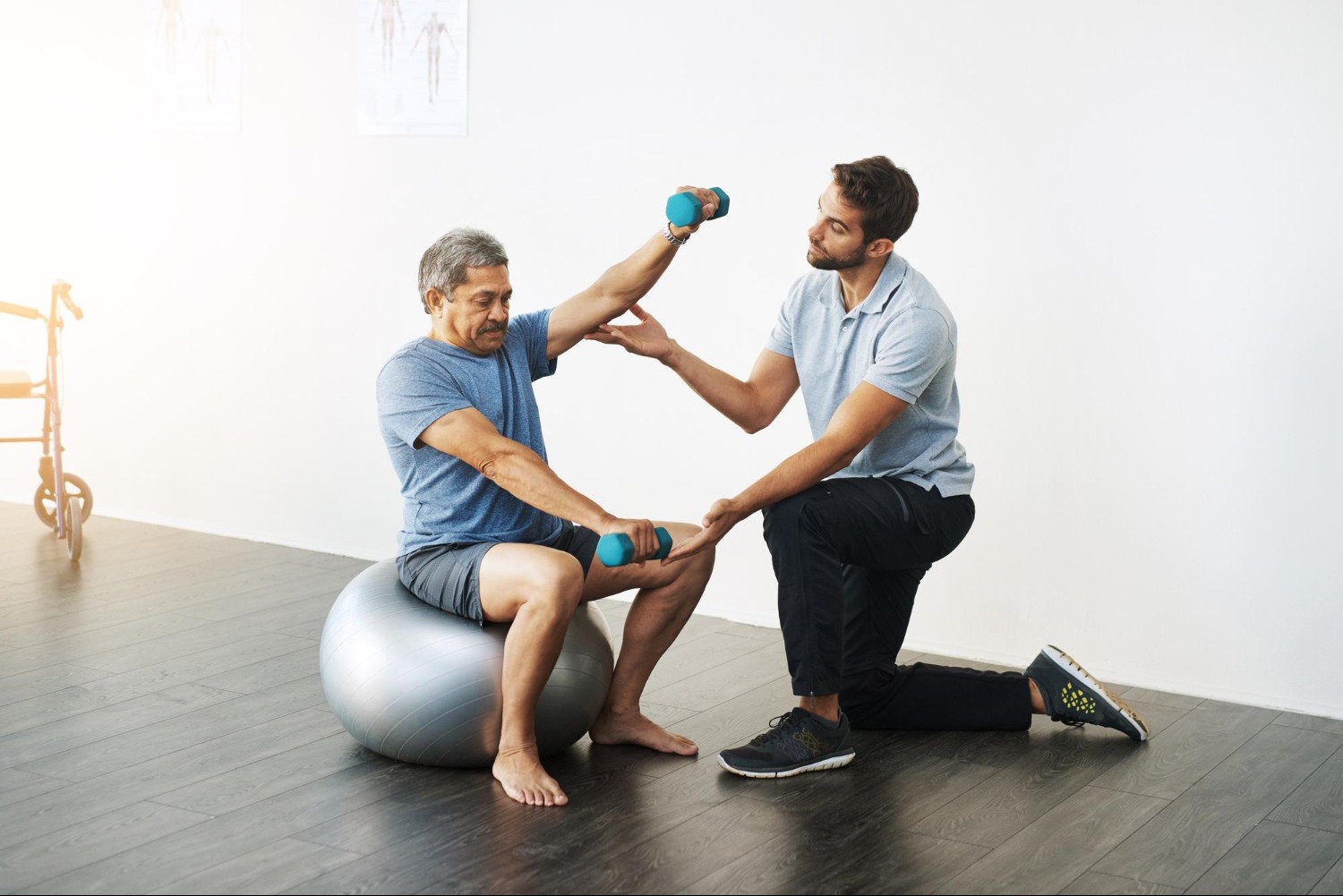
Exercise is one of the most useful tools in physical rehabilitation, but simply doing more exercises does not guarantee better progress. Exercise Therapy works best when exercises are selected for a specific problem, performed appropriately, and progressed according to the person's response.
Patients in Vadodara managing pain, weakness, stiffness, or recovery after injury can improve the value of their rehabilitation by avoiding several common mistakes.
Doing Random Exercises From Multiple Sources
One of the biggest problems is combining exercises from social media, friends, previous treatment programmes, and current physiotherapy without knowing whether they serve the same purpose.
An exercise that is useful for one type of knee problem may not be appropriate for another.
A focused programme is generally easier to monitor and progress.
Assuming More Repetitions Are Always Better
Exercise dosage matters.
Increasing repetitions, resistance, duration, and frequency simultaneously can create more load than the body is prepared to handle.
Progression should be deliberate. Depending on the objective, a physiotherapist may change resistance, range of movement, repetitions, complexity, or frequency.
Ignoring Technique
Completing an exercise is not the same as performing it effectively.
Poor control can shift effort away from the intended muscles or movement pattern. This becomes particularly important with strengthening, balance, and rehabilitation exercises.
If technique changes significantly as fatigue increases, the programme may need adjustment.
Stopping as Soon as Pain Improves
Reduced pain is only one possible marker of progress.
If the original problem involved weakness, poor balance, limited mobility, or reduced activity tolerance, those deficits may still remain after symptoms settle.
Stopping rehabilitation prematurely can mean returning to normal physical demands without rebuilding sufficient capacity.
Never Progressing the Programme
The opposite problem also occurs.
Some patients continue the same easy exercises for weeks even after they no longer provide a meaningful challenge.
Exercise therapy should evolve as physical capacity improves.
At Physiospace By Dr. Pratiksha, exercise-based physiotherapy in Vadodara can be planned around measurable functional needs rather than an unnecessarily long collection of exercises.
A patient recovering from knee problems, for example, might progress from basic muscle activation to controlled strengthening, functional movements, balance tasks, and activities relevant to work or recreation.
Keep the Programme Practical
Consistency is easier when the routine fits daily life.
Patients should understand which exercises are priorities, how often they should be performed, what level of discomfort is acceptable, and when progression should occur.
People across Vadodara often balance rehabilitation with work, commuting, household responsibilities, and family routines. A manageable programme performed consistently can be more useful than an unrealistic schedule that is quickly abandoned.
Effective exercise therapy is therefore less about collecting exercises and more about using the right exercise, at the right level, for the right functional goal.
Keywords