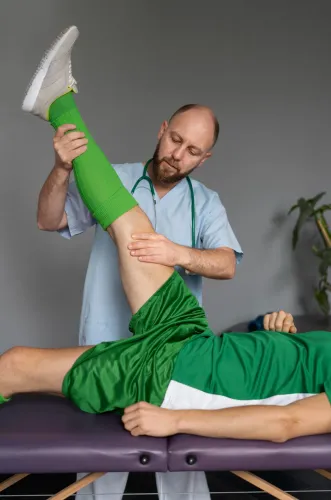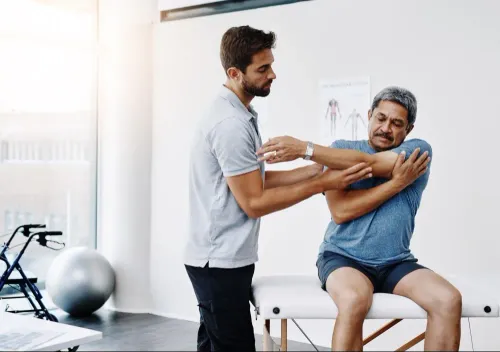

Living with persistent pain can affect every part of daily life. Simple activities such as walking, sitting at a desk, driving, exercising, or even getting a good night's sleep may become challenging. While pain medication may provide temporary comfort, long-term relief often requires identifying and treating the underlying cause. This is where physiotherapy-based pain management plays an important role.
Whether pain develops due to an injury, poor posture, arthritis, repetitive movements, or recovery after surgery, choosing the right treatment approach can improve mobility and help prevent recurring discomfort. In Vadodara, Gujarat, more people are turning to physiotherapy as a comprehensive way to manage pain while improving overall physical function.
Understanding Pain Management
Pain management is not simply about reducing discomfort. It involves assessing why pain is occurring, understanding how it affects movement, and developing a treatment plan that supports long-term recovery.
Pain may be classified as:
- Acute pain, which usually develops suddenly after an injury or surgery and improves as healing progresses.
- Chronic pain, which continues for several weeks or months and may persist even after the original injury has healed.
Both types of pain benefit from a structured assessment because the treatment approach often differs depending on the cause.
Common Causes of Persistent Pain
Pain can originate from muscles, joints, nerves, ligaments, or connective tissues. Some of the most common conditions that require physiotherapy include:
- Neck and shoulder pain
- Lower back pain
- Knee pain
- Arthritis
- Sciatica
- Sports injuries
- Repetitive strain injuries
- Post-surgical discomfort
- Muscle tightness
- Postural problems
Understanding the source of pain helps determine the most effective rehabilitation strategy.
Treatment Should Be Based on the Cause
Many people search for a quick solution, but effective pain management is rarely the same for everyone. Two individuals with lower back pain, for example, may require completely different treatment plans depending on their posture, muscle strength, daily activities, and medical history.
A physiotherapist usually begins with a detailed assessment that includes:
- Pain location and intensity
- Joint mobility
- Muscle strength
- Walking pattern
- Flexibility
- Balance
- Functional limitations
- Lifestyle and work habits
This evaluation helps create a personalised rehabilitation programme rather than relying on a one-size-fits-all solution.
Physiotherapy Techniques Used for Pain Management
Modern pain management combines several evidence-based techniques depending on the patient's needs.
Treatment may include:
- Manual therapy to improve joint and soft tissue mobility
- Therapeutic exercises to strengthen supporting muscles
- Stretching programmes to improve flexibility
- Postural correction
- Core strengthening
- Balance and movement training
- Functional rehabilitation for daily activities
The objective is to improve movement while reducing the stress placed on painful structures.
Lifestyle Habits That Influence Pain
Treatment sessions alone are not enough if daily habits continue to place unnecessary strain on the body. Small lifestyle adjustments can significantly improve recovery and reduce future discomfort.
Helpful habits include:
- Taking regular movement breaks during work
- Maintaining proper sitting posture
- Lifting objects using correct body mechanics
- Staying physically active within comfortable limits
- Sleeping in supportive positions
- Performing prescribed home exercises consistently
These changes often complement physiotherapy and contribute to long-term results.
Mistakes That Can Delay Recovery
Many people unintentionally prolong their recovery by making common mistakes.
These include:
- Ignoring pain until it becomes severe
- Depending only on pain medication
- Avoiding all physical activity out of fear
- Stopping exercises once pain decreases
- Returning to strenuous activity too soon
- Following exercise advice that is not suited to their condition
Addressing pain early and following professional guidance can help prevent these issues.
When Should You Seek Professional Assessment?
Pain should not be considered a normal part of everyday life, especially when it interferes with work, sleep, or regular activities.
Consider consulting a physiotherapist if you experience:
- Pain lasting more than two weeks
- Difficulty moving a joint
- Frequent episodes of recurring pain
- Pain after surgery or injury
- Tingling or numbness
- Reduced muscle strength
- Difficulty performing everyday tasks
- Pain that limits physical activity
Early intervention often makes rehabilitation more effective and may reduce the risk of long-term complications.
Building a Long-Term Recovery Plan
Successful pain management focuses on more than symptom relief. It aims to improve overall physical health so that individuals can continue working, exercising, and enjoying daily life with greater confidence.
A long-term rehabilitation plan may include regular progress assessments, gradual exercise progression, education about body mechanics, and strategies to prevent future injuries. Patients who actively participate in their rehabilitation are more likely to achieve lasting improvements in mobility and function.
For people looking for personalised pain management in Vadodara, Dr Pratiksha Physio offers comprehensive physiotherapy programmes based on detailed clinical assessments and individual recovery goals. Through evidence-based rehabilitation techniques, the clinic focuses on helping patients reduce pain, improve movement, and return to everyday activities safely. Additional information about available services can also be explored through Physio Space.
Effective pain management is not about masking symptoms—it is about understanding why pain occurs and taking the right steps to address it. With timely physiotherapy, healthy movement habits, and a personalized treatment plan, many people can achieve lasting relief while improving their overall quality of life.
Keywords