Joint stiffness, muscle weakness, back discomfort, neck pain, and movement restrictions can interfere with everyday activities long before they become severe enough to stop a person completely. Orthopaedic Physiotherapy focuses on assessing and managing problems involving muscles, joints, bones, ligaments, tendons, and movement patterns.
For people in Vadodara, Gujarat, physiotherapy can be relevant for both sudden musculoskeletal problems and conditions that develop gradually because of work habits, physical activity, ageing, or previous injuries.
When Is Orthopaedic Physiotherapy Used?
Orthopaedic physiotherapy may form part of the management plan for conditions such as:
- Neck and lower back pain
- Knee, hip, and shoulder problems
- Muscle strains and ligament sprains
- Joint stiffness
- Tendon-related conditions
- Reduced mobility after immobilisation
- Arthritis-related movement limitations
- Recovery after fractures
- Post-operative orthopaedic rehabilitation
The appropriate approach depends on the diagnosis, symptoms, physical demands, and functional goals of the individual.
Assessment Comes Before Exercise
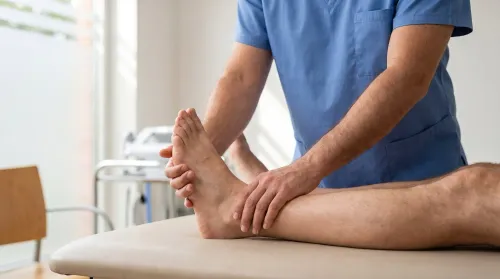
Starting random exercises from online videos may not address the actual reason for pain or restricted movement. A physiotherapy assessment typically considers the location and behaviour of symptoms, joint movement, muscle strength, flexibility, posture, balance, and the activities that trigger difficulty.
For example, two people experiencing knee discomfort may require different approaches. One may have reduced hip strength affecting lower-limb control, while another may be dealing with stiffness or weakness following a period of inactivity.
Understanding these differences helps make rehabilitation more specific.
Treatment Is Usually Progressive
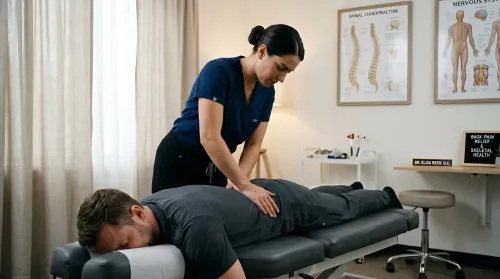
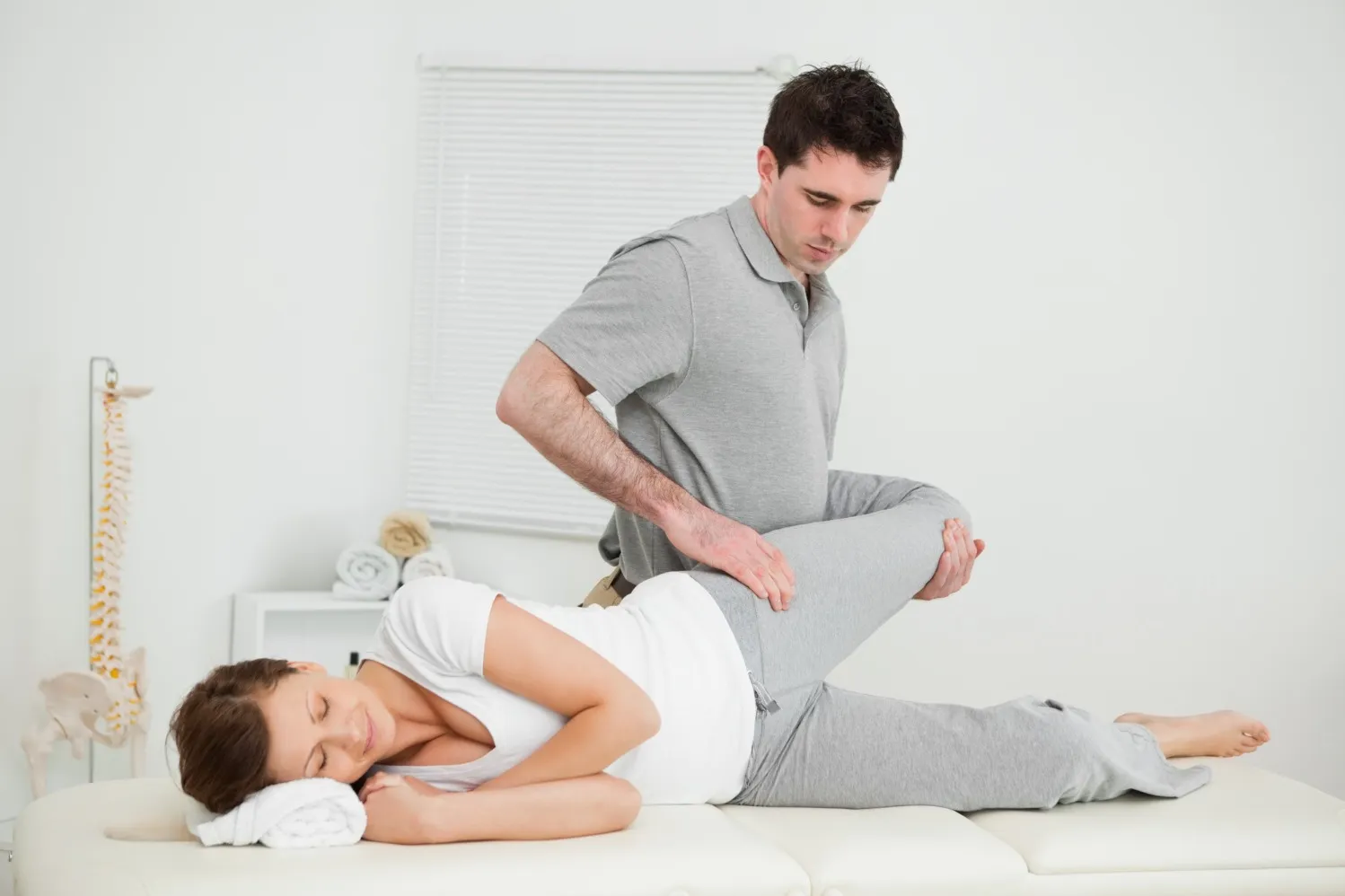
Orthopaedic rehabilitation rarely depends on a single technique. Depending on the condition, a programme may combine mobility exercises, strengthening, movement retraining, manual techniques, flexibility work, and advice regarding daily activities.
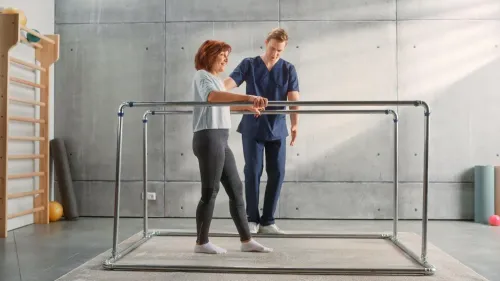
Progression is important. Exercises that are suitable during an early painful stage may not provide enough challenge once strength and movement begin improving.
Similarly, increasing activity too quickly can aggravate symptoms.
Everyday Habits Matter Too
Recovery does not happen only during a physiotherapy session. Sitting position, work setup, lifting habits, footwear, sleep routines, physical activity, and consistency with prescribed exercises can influence progress.
People with desk-based jobs in Vadodara may need particular attention to prolonged sitting and workstation habits, while individuals involved in physically demanding occupations may require guidance on lifting, bending, repetitive movement, and gradual return to workload.
Orthopaedic physiotherapy is therefore most useful when it addresses both the immediate musculoskeletal problem and the activities a person needs to perform comfortably. A structured assessment and progressive rehabilitation plan can help restore movement, rebuild strength, and improve confidence in everyday physical activity.
Keywords