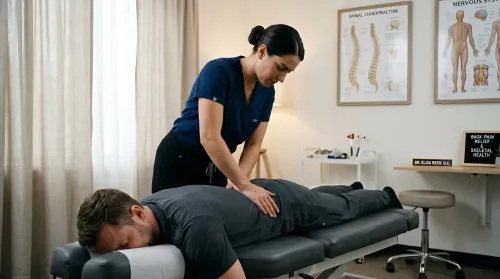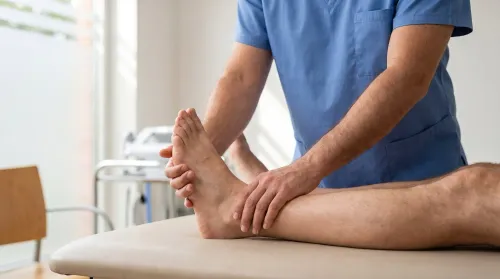
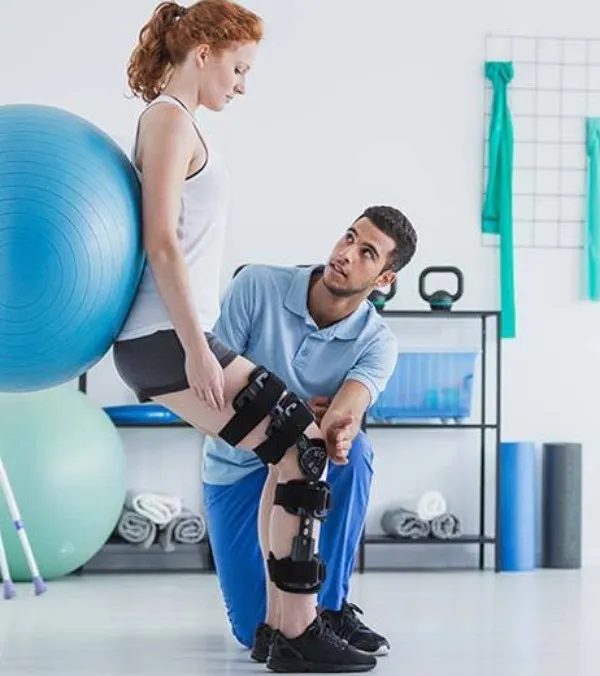
Surgery may repair or replace a damaged structure, but movement and strength do not automatically return immediately afterward. Post-Surgical Rehabilitation helps patients gradually recover mobility, muscle function, balance, and independence while following the precautions associated with their procedure.
The exact rehabilitation timeline varies significantly. The type of surgery, pre-operative health, surgeon's instructions, age, pain levels, and individual recovery all influence what can be done at each stage.
Why Rehabilitation May Be Needed After Surgery
Periods of reduced movement can lead to stiffness, weakness, reduced endurance, and difficulty performing everyday activities. Even when surgery has been successful, patients may initially struggle with tasks such as walking, climbing stairs, getting out of a chair, reaching overhead, or returning to work.
Physiotherapy may be considered following procedures involving the knee, hip, shoulder, spine, ligaments, fractures, and other musculoskeletal structures.
Early Recovery Has Different Priorities
During the initial phase, rehabilitation is usually guided by medical restrictions and tissue healing.
Depending on the procedure, priorities may include comfortable movement, safe transfers, appropriate walking, maintaining movement in unaffected areas, and beginning permitted exercises.
Trying to progress faster than recommended is not necessarily beneficial. Certain surgical repairs require protection before heavier loading or larger ranges of movement are introduced.
Strength Returns Gradually
Muscles can lose strength after surgery and inactivity. Once medically appropriate, progressive exercises help rebuild their ability to support joints and everyday movements.
Rehabilitation may advance from simple controlled exercises to functional tasks such as:
- Standing and sitting safely
- Walking longer distances
- Negotiating stairs
- Improving joint mobility
- Strengthening surrounding muscles
- Restoring balance
- Returning to occupational activities
The progression should reflect how the individual responds rather than relying solely on a fixed calendar.
Communication Is Important
Patients should understand their surgeon's precautions, weight-bearing instructions, movement restrictions, and follow-up schedule.
Any unexpected increase in symptoms should be discussed with the appropriate treating team rather than simply exercising through it.
People undergoing surgery in Vadodara or returning home to the city after treatment elsewhere may also need rehabilitation that fits their home environment and daily responsibilities.
A person living independently, for example, may have different functional priorities from someone with regular family assistance.
Post-operative recovery is best viewed as a staged process. Surgery addresses the medical or structural problem, while rehabilitation helps the person gradually regain the physical abilities required for everyday life. Following appropriate precautions and progressing exercises systematically can make that recovery process more organised and functional.
Keywords