
A neurological condition can affect much more than movement. It may influence balance, coordination, muscle strength, speech, posture, and the ability to perform everyday tasks independently. Whether the condition develops suddenly after a stroke or gradually due to a neurological disorder, rehabilitation plays an important role in helping individuals regain function and improve their quality of life. Neurological rehabilitation is a specialised area of physiotherapy that focuses on maximising independence through structured, evidence-based treatment.
As awareness of rehabilitation services continues to grow in Vadodara, Gujarat, more patients and families are recognising that recovery from neurological conditions is an ongoing journey. With consistent therapy and personalised care, many individuals can achieve meaningful improvements in mobility and daily living.
What Is Neurological Rehabilitation?
Neurological rehabilitation is a physiotherapy programme designed for people whose movement or physical function has been affected by conditions involving the brain, spinal cord, or nerves. Rather than focusing only on muscles and joints, neurological physiotherapy works to retrain the nervous system and help the body adapt to changes caused by illness or injury.
Some of the conditions that commonly benefit from neurological rehabilitation include:
- Stroke
- Parkinson's disease
- Multiple sclerosis
- Spinal cord injuries
- Traumatic brain injury
- Bell's palsy
- Peripheral nerve injuries
- Cerebral palsy
- Guillain-Barré syndrome
- Balance and coordination disorders
Every condition presents different challenges, so treatment plans are always tailored to the individual's abilities, goals, and stage of recovery.
How Neurological Physiotherapy Supports Recovery
The nervous system has a remarkable ability to adapt through a process known as neuroplasticity. While recovery varies depending on the condition and its severity, physiotherapy encourages the brain and nervous system to develop new pathways that support movement and functional improvement.
Treatment may focus on:
- Improving balance and coordination
- Increasing muscle strength
- Enhancing walking ability
- Improving posture and body alignment
- Reducing muscle stiffness
- Training functional movements such as sitting, standing, and transferring
- Improving endurance for daily activities
Rehabilitation is designed to build confidence gradually while helping individuals become as independent as possible.
What Happens During a Rehabilitation Programme?
The first step is a detailed assessment. A physiotherapist evaluates mobility, muscle strength, coordination, balance, posture, flexibility, and functional limitations before creating a personalised treatment plan.
Depending on the individual's condition, therapy may include:
- Guided movement exercises
- Balance and gait training
- Functional task practice
- Strengthening exercises
- Stretching programmes
- Coordination activities
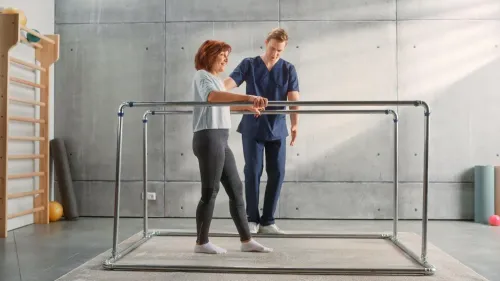
- Mobility training with or without assistive devices
Exercises are progressed carefully to match each person's recovery and physical capacity.
Everyday Activities Can Become Easier
Neurological rehabilitation is not simply about improving movement during therapy sessions. The ultimate goal is to make everyday life more manageable.
Treatment often helps patients improve their ability to:
- Walk safely indoors and outdoors
- Climb stairs with greater confidence
- Get in and out of bed independently
- Transfer between sitting and standing
- Improve hand function for daily tasks
- Maintain better balance while moving
- Reduce the risk of falls
Small improvements in these areas can make a significant difference to overall independence and quality of life.
The Importance of Starting Rehabilitation Early
Whenever medically appropriate, beginning rehabilitation as early as possible can support better outcomes. Early intervention helps prevent complications such as muscle tightness, joint stiffness, reduced mobility, and physical deconditioning.
However, neurological rehabilitation is beneficial even for individuals living with long-term conditions. Consistent physiotherapy can help maintain physical function, slow the progression of movement limitations, and improve confidence in performing everyday activities.
Family Support Matters
Recovery is often more successful when family members and caregivers understand the rehabilitation process. They can encourage regular exercise, help create a safe home environment, and support healthy daily routines.
Simple changes at home may include:
- Removing trip hazards
- Installing grab bars where needed
- Encouraging safe movement rather than prolonged bed rest
- Following the physiotherapist's recommendations for home exercises
- Supporting independence while offering assistance when necessary
Active family involvement often improves motivation and consistency throughout rehabilitation.
When Should You Consider Neurological Rehabilitation?
Professional assessment should be considered if an individual experiences:
- Difficulty walking or maintaining balance
- Weakness after a stroke or neurological illness
- Frequent falls
- Reduced coordination
- Muscle stiffness affecting movement
- Difficulty performing routine daily activities
- Reduced confidence while moving
Early evaluation helps identify functional limitations and allows rehabilitation to begin before additional complications develop.
For individuals seeking neurological rehabilitation in Vadodara, Dr Pratiksha Physio provides personalised physiotherapy programmes designed around each patient's diagnosis, recovery goals, and functional abilities. Through detailed assessment and progressive rehabilitation strategies, the clinic supports individuals at different stages of neurological recovery. Additional information about available services can also be explored through Physio Space.
Neurological rehabilitation is not about achieving perfection overnight. It is about helping people regain meaningful movement, improve independence, and participate more fully in everyday life. With a structured rehabilitation plan, consistent practice, and professional guidance, many individuals can continue making progress long after their initial diagnosis or injury.
Keywords