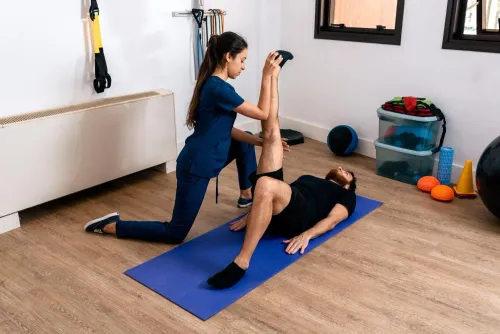
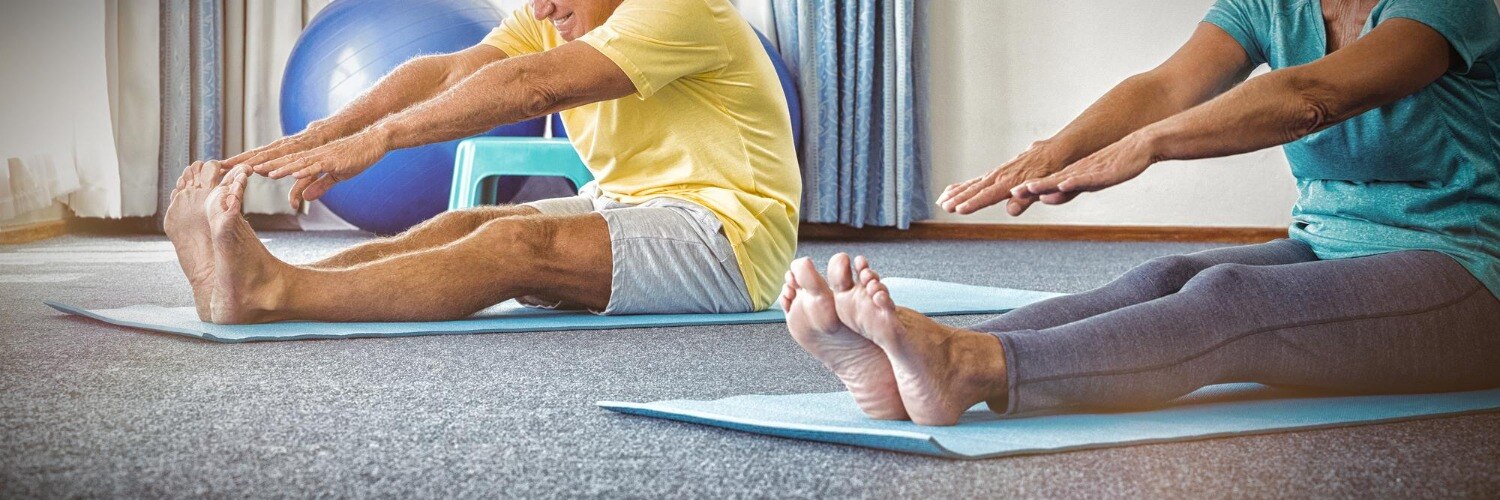
Posture is not a fixed shape that you hold all day; it is your ability to control movement, tolerate positions, and adapt when you sit, stand, walk, work, or lift. By the end, you will know how exercise changes that capacity, which exercises address common limitations, how to progress safely, and when an individual assessment matters.
Key takeaways
- Build strength and movement control instead of holding a rigid posture.
- Assess breathing, joint mobility, balance, strength, fatigue, and pain triggers.
- Progress exercises by control, range, resistance, repetitions, or task difficulty.
- Choose individualised therapy when pain, weakness, numbness, or instability affects movement.
Posture Correction Is About Movement Capacity, Not a Perfect Shape
Lasting posture change comes from expanding what your body can tolerate and control, not from holding a photo-ready shape. Posture changes with the task, fatigue, pain, age, and body structure, so a visible asymmetry does not automatically indicate a problem or explain pain.
In exercise therapy posture treatment, lasting improvement develops through:
- Stronger postural muscles that keep the head, trunk, or pelvis supported without rapid fatigue.
- Better joint mobility, so the body does not compensate around a stiff neck, thoracic spine, or hip.
- Coordinated breathing and movement, which reduces unnecessary bracing during effort.
- Improved balance and motor control, allowing you to adjust position instead of freezing in one posture.
- Greater tolerance for sitting, standing, walking, lifting, or sport-specific demands.
Stretching a muscle that feels shortened can provide brief relief or extra range, but stretching alone rarely teaches your body to use that range during work or movement. A lasting program progresses from low-load awareness and mobility drills to repeated strengthening, endurance work, and practice of the activity that triggers symptoms.
The goal is therefore functional: you can change position, sustain it comfortably, and recover when fatigue appears. Exercise can support pain and mobility improvements, but it does not promise that one ideal shape will cure every condition.
What a Proper Posture Assessment Should Examine
A proper assessment links observed posture to symptoms and function, rather than judging a photograph or plumb line. Ask what changes with sitting, walking, reaching, lifting, fatigue, and pain; then test joint mobility, muscle strength and endurance, breathing, balance, gait, and work demands. A visible asymmetry alone does not explain pain.
Look for these patterns:
- Weakness: the position collapses during repeated movement or a timed hold, while passive joint movement remains available.
- Stiffness: a joint or spinal region has restricted movement, and nearby areas compensate.
- Pain avoidance: you shift away from a painful direction, brace, or stop using one side.
- Habit or workstation strain: posture improves with cueing or a workstation change but returns during familiar tasks.
- Balance impairment: you widen your stance, grip furniture, or lose alignment when standing, turning, or walking.
- Neurological involvement: altered sensation, reflex changes, coordination loss, unusual muscle tone, foot clearance problems, or marked one-sided weakness require neurological examination.
- Medical risk: recent surgery, fracture, inflammatory disease, or significant limb weakness requires condition-specific screening before generic exercise.
For neck complaints, posture correction physiotherapy in Vadodara should examine the entire cervicothoracic region, including deep-neck-flexor control and tolerance for sustained screen work. Pain that persists, spreads, causes weakness, or follows trauma needs medical assessment rather than a generic posture program.
Posture-Correction Exercises and How to Perform Them
Begin with low-load control, not forceful stretching. These posture correction exercises target the movement limits that commonly maintain poor alignment; stop if you develop sharp pain, numbness, dizziness, or increasing weakness.
| Exercise | Main target | How to begin |
|---|---|---|
| Chin tuck | Forward-head posture and deep-neck-flexor control | Lie on your back with knees bent. Gently draw your chin backward without lifting your head; hold 5 seconds for 8 repetitions. |
| Wall slide | Rounded shoulders and weak shoulder-blade control | Stand with your back against a wall, elbows bent. Keep ribs relaxed while sliding your arms upward; begin with 6 slow repetitions. |
| Supported thoracic extension | Thoracic stiffness | Lie back over a rolled towel placed across the upper back, support your head, and take 5 gentle extensions. |
| Pelvic tilt | Excessive lower-back arching | Lie on your back with knees bent. Exhale, gently tighten your abdomen, and flatten the lower back; hold 5 seconds for 8 repetitions. |
| Sit-to-stand | Prolonged sitting and reduced functional endurance | Sit near the front of a firm chair, feet under your knees, and stand without pushing from the armrests; start with 6 repetitions. |
Move within a comfortable range and keep breathing. After these drills feel controlled, increase repetitions, hold time, resistance, or task complexity one variable at a time; add brief standing, walking, or mobility breaks during long sitting. A physiotherapist should modify the plan after recent surgery, fracture, neurological disease, or significant limb weakness.
How to Dose, Progress, and Maintain Posture Exercise
Train posture correction exercises three to five days a week, with brief movement breaks during long sitting or standing. Consistency matters more than forcing a rigid position for hours.
1. Start with low-load drills for mobility, breathing, alignment, and motor control. Perform one to three sets of eight to twelve repetitions, or hold each position for 10 to 30 seconds, stopping before pain or fatigue changes your form.
2. Progress one variable at a time: add repetitions, extend hold time, increase range, slow the movement, or add light resistance. When you can complete all sets with steady breathing and no symptom increase the following day, choose the next challenge.
3. Add balance, unstable positions, faster movements, carries, squats, or lifting only after the basic pattern remains controlled. Practice the same strategy during desk work, walking, household tasks, sport, or job-specific movements; easy drills alone do not prepare you for real demands.
4. Reassess after four to six weeks by checking sitting tolerance, walking, lifting, fatigue, and symptom behavior rather than relying only on photographs. Maintain gains with two or three strengthening sessions weekly and regular position changes.
Exercise therapy posture treatment works best when the dose matches your weakness, stiffness, endurance, pain response, and daily demands. If symptoms flare repeatedly, reduce the load or seek individual guidance instead of abandoning movement.
When Individualised Posture Therapy Is the Safer Choice
A physiotherapist should adapt the program when pain changes, strength differs between sides, balance is poor, symptoms spread into an arm or leg, or examination finds restricted joints, neurological signs, recent surgery, fracture, or inflammatory disease. Generic drills are not safe substitutes for condition-specific screening.
Mild muscle effort, a gentle stretch, or familiar discomfort that settles during the session or within 24 hours is usually a workable response. Stop an exercise that causes sharp pain, electric sensations, increasing numbness, marked dizziness, or steadily worsening symptoms.
| Response | What to do | Why it matters |
|---|---|---|
| Mild, familiar discomfort that settles within 24 hours | Continue at the same dose and record the response | The tissues are tolerating the load |
| Pain that lasts longer, spreads, or reduces function | Reduce repetitions, range, resistance, or hold time; contact your physiotherapist | The progression is too fast |
| New limb weakness, bladder or bowel control loss, saddle-area numbness, fever, unexplained weight loss, major trauma, or suspected fracture, infection, or cancer | Seek urgent medical assessment instead of exercising | These symptoms require investigation |
Exercise therapy for posture correction in Vadodara works best as broader rehabilitation, not a promise that visible alignment will cure pain. A clinician can adjust breathing, balance, walking, work tasks, and loading speed while progressing repetitions, resistance, hold time, range, or task complexity.
At Physiospace By Dr. Pratiksha, posture correction physiotherapy in Vadodara can be made safer by reassessing symptoms and function before advancing from drills to sitting, lifting, walking, sport, or screen-work demands.
Related services
Personalized Exercise Programs Physiotherapy in Vadodara Poor posture caused by prolonged sitting, mobile phone use, computer work, or improper body mechanics can lead to neck... View service → |
Personalized Exercise Programs Stretching & Strengthening Exercises Physiotherapy – Improve Flexibility, Strength & Mobility At Physiospace By Dr. View service → |
Frequently asked questions
What does posture correction exercise therapy focus on?
It develops the strength, mobility, balance, and movement control needed to tolerate daily tasks, rather than forcing your body into one perfect shape.
What should a posture assessment examine?
A useful assessment examines movement during relevant tasks, joint mobility, muscle strength, breathing, balance, fatigue, pain triggers, and neurological symptoms.
How should you perform posture-correction exercises?
Perform each exercise with controlled movement, steady breathing, and a tolerable effort. Stop and seek assessment if symptoms worsen, spread, or include numbness or weakness.
When is individualised posture physiotherapy the safer choice?
Choose individualised care when posture concerns involve persistent pain, injury, surgery recovery, marked weakness, balance problems, neurological symptoms, or difficulty progressing safely.
Keywords