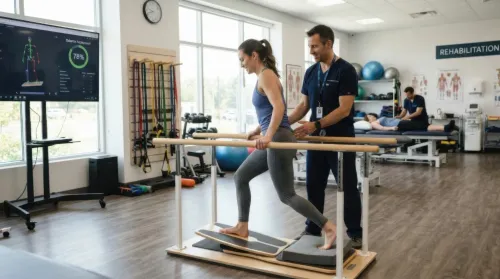
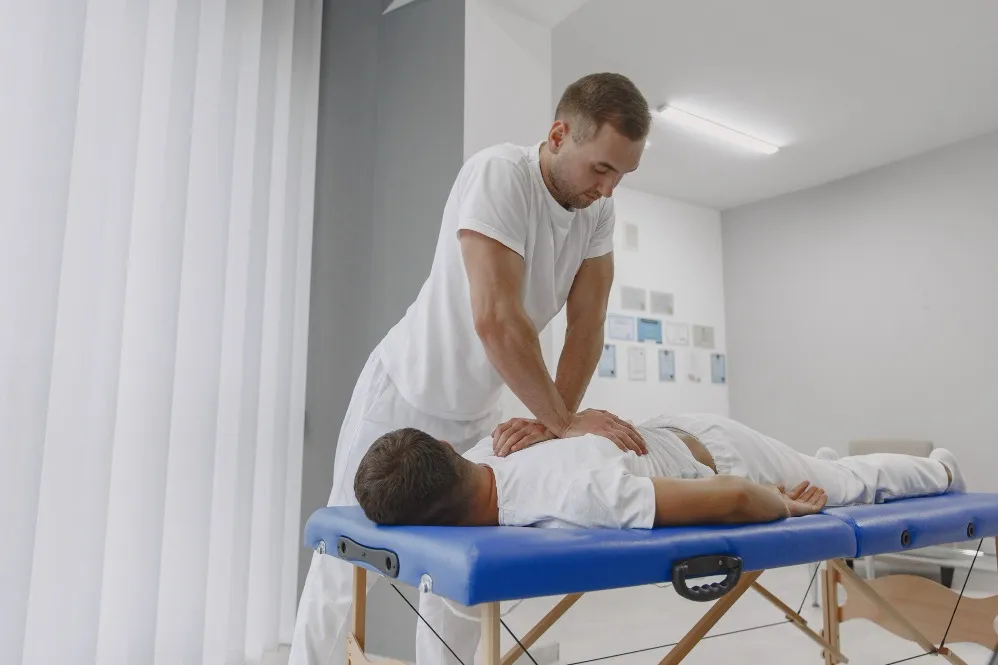
If you've never visited a physiotherapist before, it's natural to have questions about what happens during the first appointment. Many people worry that treatment will begin immediately or that they will be asked to perform difficult exercises despite being in pain. In reality, the first physiotherapy consultation is primarily about understanding your condition, identifying the cause of your symptoms, and creating a personalised rehabilitation plan that matches your needs and recovery goals.
Whether you are experiencing chronic back pain, recovering from surgery, managing a sports injury, or dealing with mobility issues, knowing what to expect can help you feel more confident before your visit. In Vadodara, Gujarat, physiotherapy has become an important part of recovery for people of all ages, helping them improve movement, reduce pain, and return to their daily activities safely.
Why the First Consultation Is Important
Every person experiences pain and movement difficulties differently. Even if two individuals have the same diagnosis, factors such as age, occupation, activity level, lifestyle, and medical history can influence the most suitable treatment approach.
The first consultation allows the physiotherapist to understand:
- What symptoms you are experiencing
- When the problem began
- How the condition affects your daily routine
- Whether previous injuries or surgeries may be contributing
- What your personal recovery goals are
This information forms the foundation of an effective rehabilitation programme.
Discussing Your Medical History
One of the first parts of the consultation involves a detailed conversation about your health.
You may be asked about:
- Current symptoms
- Previous injuries
- Past surgeries
- Existing medical conditions
- Medications you are taking
- Work routine
- Physical activity levels
- Daily habits that may affect movement
Providing accurate information helps the physiotherapist understand the complete picture rather than focusing only on the painful area.
Physical Assessment
After discussing your history, the physiotherapist performs a physical examination to identify the source of the problem.
The assessment may include:
- Observing posture
- Checking joint movement
- Measuring muscle strength
- Assessing flexibility
- Evaluating balance
- Watching your walking pattern
- Identifying areas of stiffness or weakness
These tests are performed carefully and are adapted to your comfort level.
Understanding the Cause of Your Symptoms
Pain is not always caused by the area where it is felt. For example, shoulder discomfort may result from poor posture, while knee pain could be influenced by muscle weakness around the hips.
A detailed assessment helps identify contributing factors such as:
- Muscle imbalance
- Joint stiffness
- Reduced flexibility
- Poor movement patterns
- Weak core stability
- Postural issues
Understanding the underlying cause allows treatment to focus on long-term improvement instead of temporary symptom relief.
Creating a Personalised Treatment Plan
Once the assessment is complete, the physiotherapist explains the findings and develops an individual rehabilitation programme.
Depending on your condition, the treatment plan may include:
- Manual therapy
- Exercise therapy
- Stretching exercises
- Balance and coordination training
- Postural correction
- Functional movement training
- Pain management strategies
The programme is adjusted regularly based on your progress rather than following a fixed schedule.
Your Role in Recovery
Successful physiotherapy depends on teamwork between the patient and the physiotherapist. Attending appointments alone is rarely enough to achieve the best results.
You may be encouraged to:
- Perform home exercises consistently
- Maintain good posture during daily activities
- Stay active within recommended limits
- Follow activity modifications
- Report any changes in symptoms
Following these recommendations helps reinforce the progress made during treatment sessions.
Questions You Should Feel Comfortable Asking
Your first consultation is also an opportunity to better understand your condition.
You may wish to ask:
- What is causing my pain?
- How long might recovery take?
- Which activities should I avoid?
- What exercises should I perform at home?
- How often will I need physiotherapy?
- How will my progress be monitored?
Open communication helps you stay informed and actively involved throughout rehabilitation.
Preparing for Your Appointment
A little preparation can help make your first consultation more productive.
Before your visit:
- Wear comfortable clothing that allows easy movement.
- Bring any previous medical reports or imaging if available.
- Make a note of when your symptoms started.
- Be prepared to discuss your daily activities and lifestyle.
- Arrive with realistic expectations, as recovery is usually a gradual process.
These simple steps help the physiotherapist complete a thorough assessment and recommend the most appropriate treatment plan.
For individuals planning their first physiotherapy consultation in Vadodara, Dr Pratiksha Physio provides detailed assessments and personalised rehabilitation programmes tailored to each patient's condition and functional goals. Through evidence-based physiotherapy and patient-focused care, the clinic supports recovery from musculoskeletal, neurological, sports-related, and post-surgical conditions. Additional information about available services can also be explored through Physio Space.
Your first physiotherapy consultation is the beginning of understanding your body's movement, not just treating pain. A comprehensive assessment, clear communication, and a personalised rehabilitation plan provide the foundation for effective recovery, helping you regain confidence, improve mobility, and return to your everyday activities with greater ease.
Keywords