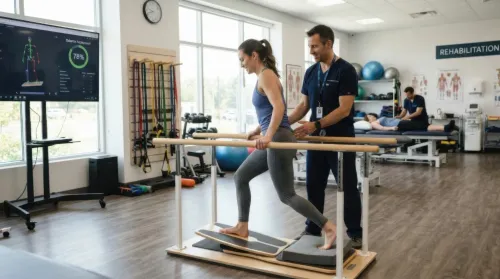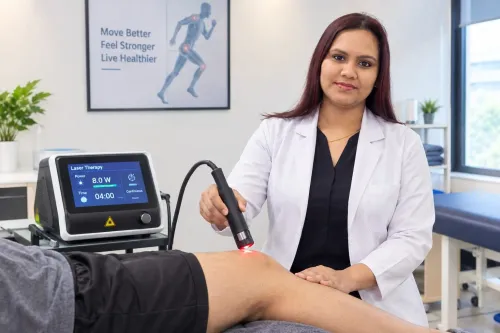

An injury can disrupt your routine in an instant. Whether it happens during a sporting activity, at work, while exercising, or even during everyday tasks, the road to recovery often raises an important question: When should physiotherapy begin? Many people believe they should wait until the pain completely settles before seeking treatment, while others assume immediate exercise is the best solution. In reality, the right time depends on the type and severity of the injury, but early assessment by a physiotherapist can often support a smoother and more effective recovery.
Across Vadodara, Gujarat, people frequently seek physiotherapy for ligament sprains, muscle strains, fractures, joint injuries, tendon problems, and repetitive strain conditions. Understanding when to begin rehabilitation helps reduce the risk of long-term stiffness, weakness, and recurring injuries.
Why Timing Matters in Injury Recovery
Every injury goes through different stages of healing. During the initial phase, the body works to control bleeding, swelling, and inflammation. As healing progresses, damaged tissues begin repairing themselves, but without guided rehabilitation, muscles may weaken and joints may become stiff.
Starting physiotherapy at the appropriate stage helps support the body's natural healing process while preventing unnecessary complications. Delaying treatment for too long may result in reduced flexibility, loss of strength, and altered movement patterns that take longer to correct.
Injuries That Often Benefit from Early Physiotherapy
Many musculoskeletal injuries can benefit from professional assessment soon after they occur, provided there are no medical emergencies requiring immediate hospital care.
These include:
- Muscle strains
- Ligament sprains
- Sports injuries
- Shoulder injuries
- Knee injuries
- Ankle sprains
- Tendon irritation
- Neck pain after minor injuries
- Lower back injuries
- Post-fracture rehabilitation once medically appropriate
A physiotherapist works alongside your doctor's advice to ensure rehabilitation begins safely and progresses at the right pace.
What Happens During the Early Stages of Physiotherapy?
Contrary to popular belief, early physiotherapy does not always involve strenuous exercises. During the initial phase, treatment focuses on protecting the injured area while maintaining as much safe movement as possible.
Depending on the injury, rehabilitation may include:
- Gentle mobility exercises
- Pain management techniques
- Swelling management
- Soft tissue treatment where appropriate
- Advice on safe movement
- Education about activity modification
The aim is to encourage healing without placing excessive stress on the injured tissues.
How Rehabilitation Progresses
As recovery continues, physiotherapy gradually shifts from symptom management to restoring full physical function.
The programme may include:
- Strengthening exercises
- Flexibility training
- Balance and coordination exercises
- Functional movement practice
- Postural correction
- Sport- or work-specific rehabilitation
Each stage is introduced only when the injured tissues are ready, helping reduce the risk of setbacks.
Common Mistakes That Slow Recovery
Some recovery habits can unintentionally delay healing or increase the likelihood of reinjury.
These include:
- Waiting several weeks before seeking professional advice
- Returning to sports or work too quickly
- Avoiding all movement because of fear of pain
- Ignoring prescribed rehabilitation exercises
- Following generic online exercise programmes without assessment
- Stopping physiotherapy as soon as symptoms improve
A structured rehabilitation programme focuses not only on pain relief but also on restoring strength, stability, and confidence.
Signs That You Should Not Delay Physiotherapy
Although every injury is different, certain symptoms indicate that professional assessment is advisable.
Consider consulting a physiotherapist if you experience:
- Pain that does not improve after a few days
- Swelling that limits movement
- Difficulty walking or using a joint
- Muscle weakness
- Reduced flexibility
- Repeated injuries in the same area
- Pain during everyday activities
- Difficulty returning to work or sports
Early assessment allows the physiotherapist to identify movement problems before they become chronic.
Supporting Recovery Between Sessions
Recovery continues outside the clinic, and daily habits can influence how quickly you regain function.
Helpful practices include:
- Following your home exercise programme consistently
- Staying active within recommended limits
- Getting adequate sleep
- Eating a balanced diet to support tissue healing
- Avoiding activities that place excessive stress on the injured area
- Reporting new or worsening symptoms promptly
Small, consistent efforts often contribute to steady progress.
A Personalised Recovery Plan Makes the Difference
No two injuries heal in exactly the same way. Factors such as age, fitness level, occupation, medical history, and the severity of the injury all influence recovery. This is why physiotherapy should always be tailored to the individual rather than following a standard timeline.
For individuals recovering from injuries in Vadodara, Dr Pratiksha Physio provides personalised rehabilitation programmes based on detailed clinical assessment and functional recovery goals. By combining evidence-based physiotherapy with progressive exercise planning, the clinic helps patients regain mobility, rebuild strength, and safely return to their daily activities. Additional information about rehabilitation services is also available through Physio Space.
Beginning physiotherapy at the right time can make a significant difference to recovery. Rather than waiting for pain to disappear on its own, seeking professional guidance early helps support healing, restores movement, and reduces the risk of long-term complications, allowing you to return to an active and independent lifestyle with greater confidence.
Keywords