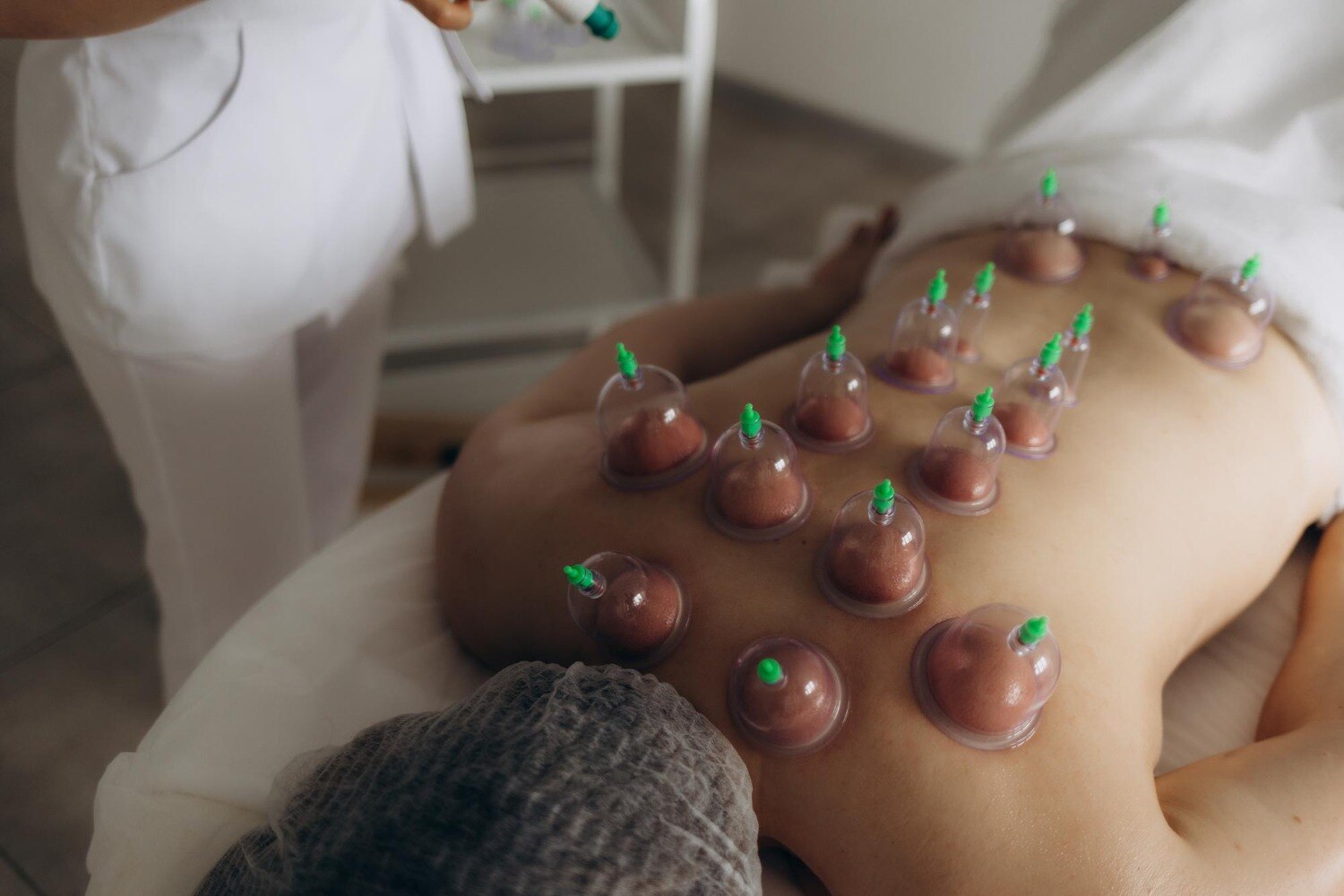
Cupping may ease a short-term feeling of tightness or soreness, but it has not been established as a treatment for falls or impaired balance. By the end, you will know when it could be considered as a limited adjunct, what screening it requires, and how to judge whether active rehabilitation is producing functional improvement.
Key takeaways
- Cupping may ease stiffness briefly, but balance exercises reduce fall risk.
- Check skin, circulation, medicines, sensation and fall history before cupping.
- Use cupping only to support active strength, gait and balance training.
- Track sit-to-stand, walking, turning and near-falls to measure progress.
Does cupping improve balance, or only reduce stiffness?
Cupping does not directly improve balance. Cupping for muscle stiffness may briefly reduce perceived tightness, soreness or restricted movement, making exercise feel easier, but it does not restore proprioception, increase leg strength, sharpen reaction speed or prevent falls.
Cupping therapy balance training in vadodara should therefore treat cupping as an optional adjunct, not the balance intervention itself.
| Cupping | Possible short-term relief | The person feels less stiff or sore, but the change may fade quickly |
|---|---|---|
| Balance and strengthening exercises | Genuine functional adaptation | Repeated practice challenges strength, postural control, stepping and balance reactions |
| Fall-risk improvement | Measurable functional change | Walking speed, timed sit-to-stand and repeatable balance tests improve over time |
A passive treatment cannot replace progressively harder tasks such as sit-to-stand, stepping, turning, walking and single-leg or supported balance work. These exercises train the nervous system and muscles to respond when your centre of gravity shifts.
A physiotherapist should judge benefit by repeatable performance, not darker skin marks or how loose you feel immediately after treatment. If cupping causes bruising, dizziness, pain or skin injury that interrupts exercise, stop it.
For an older adult with Parkinson’s disease, stroke, neuropathy, arthritis, vestibular symptoms or postural hypotension, instability may require diagnosis-specific exercise and medical review. Balance training physiotherapy in Vadodara should address the cause of falling; reducing stiffness alone is not enough.
What should a physiotherapist check before adding cupping?
A physiotherapist should not add cupping because an older adult reports tight muscles. The decision should follow a fall-risk assessment that identifies problems requiring balance training, medical review or occupational-therapy input.
- Record falls and near-falls, including when and where they occurred, and check whether the person uses a cane, walker or another walking aid. Observe gait speed, step length, foot clearance, turning, stopping and transfers.
- Test ankle and hip strength, joint range, standing control and exercise tolerance. Check light-touch sensation in the feet and legs; reduced sensation can make cupping marks or pressure harder to detect.
- Ask about dizziness, faintness, blurred vision and vestibular symptoms such as spinning or motion sensitivity. Review medicines that cause drowsiness or lower blood pressure, then measure blood pressure lying or sitting and again after standing to screen for orthostatic hypotension.
- Inspect the skin for wounds, rash, infection, fragile areas, bruising or poor healing before placing cups. Stop if skin injury, unusual pain or dizziness would interfere with walking or exercise.
Geriatric physiotherapy in Vadodara should also check footwear, home lighting and trip hazards, because cupping cannot correct these fall risks. If the person cannot safely tolerate repeated stepping, turning, sit-to-stand or strengthening tasks, address that limitation before considering cupping as a time-limited adjunct.
How can cupping fit around active balance exercises?
Keep cupping brief and subordinate to exercise. A combined session may use it on the calves, hamstrings, gluteal muscles or other areas linked to stiffness, but balance training physiotherapy in Vadodara should still target the cause of instability, not tightness alone.
The clinician chooses frequency after checking skin response, soreness and exercise tolerance; repeat treatment only when bruising or tenderness does not restrict movement.
| Placement | Purpose | Important limitation |
|---|---|---|
| Before exercise | Reduce a stiffness complaint before movement practice | Check dizziness, pain, skin changes and altered sensation before standing or walking |
| After exercise | Provide comfort after gait, balance and strengthening work | Do not treat relief as proof that balance or fall risk improved |
| No cupping | Progress active rehabilitation without a passive treatment | Use this when cupping causes bruising, pain or delayed exercise |
The active treatment remains the repeated, progressively harder work:
- Standing balance with an appropriate support, followed by reaching or weight shifts
- Gait practice, including changes in speed, direction and surface
- Stepping tasks, turning, and controlled sit-to-stand transfers
- Ankle, hip and lower-limb strengthening matched to the person’s diagnosis
Cupping for muscle stiffness is an optional adjunct, not a substitute for these tasks. A Parkinson’s, stroke, neuropathy, arthritis or vestibular condition may require a different sequence and recovery period, so the physiotherapist should adjust the plan after each session. Stop or pause cupping if dizziness, skin injury, significant bruising or pain interferes with practice.
What safety checks matter when choosing cupping therapy in Vadodara?
Dry cupping creates suction on intact skin. Wet cupping adds superficial puncture or incision and removes blood, so it carries extra bleeding, infection, scarring and blood-loss risks. For an older adult practising balance exercises, wet cupping is not a routine add-on.
| Method | What happens | Main safety concern |
|---|---|---|
| Dry cupping | Cups pull the skin without cutting it | Bruising, soreness, irritation, burns or blisters |
| Wet cupping | Skin is punctured or incised before suction | Bleeding, infection, scarring and fainting |
Before treatment, ask the physiotherapist to review these reasons to avoid cupping or seek medical clearance:
- Anticoagulants, antiplatelet medicines or a bleeding disorder
- Fragile skin, active skin infection, open wounds or existing bruising
- Diabetes with poor healing or reduced circulation
- Reduced sensation, cognitive impairment or difficulty reporting pain
- Recent surgery near the proposed treatment area
A safe clinic uses hand hygiene, gloves, sterile single-use lancets or blades for wet cupping, a sharps container and properly disinfected reusable cups. Ask how puncture sites are dressed and what happens if you feel faint. Refusal to answer is a warning sign.
Confirm the practitioner’s physiotherapy or healthcare training, experience with older adults and ability to respond to bleeding, burns or dizziness. At Physiospace By Dr. Pratiksha, ask for the risks, treatment area, expected bruising and stop rules to be recorded before the session. Stop if skin injury, dizziness or pain prevents balance practice.
Related services
Geriatric Physiotherapy Physiotherapy Services in Vadodara Fall Prevention Physiotherapy – Improve Balance, Strength & Confidence Falls are one of the leading causes of... View service → |
Geriatric Physiotherapy Physiotherapy in Vadodara Senior Citizen Rehabilitation Physiotherapy At Physiospace By Dr. View service → |
How do you know whether the plan is reducing fall risk?
A fall-prevention plan is working when repeatable function improves, not when cupping marks fade or your muscles feel looser. Record falls and near-falls, then repeat the same tests under the same conditions every two to four weeks.
- Measure walking speed over 10 metres, using the usual walking aid. A faster safe pace, fewer stops and steadier turns indicate progress.
- Time five sit-to-stands from a standard chair without using the arms. Record loss of balance, knee control and whether assistance is needed.
- Repeat balance tasks such as feet together, semi-tandem stance, turning, stepping over a low obstacle and reaching. Stop before a loss of balance.
- Match exercises to the diagnosis: cueing and turning practice for Parkinson’s disease, affected-side loading after stroke, foot and sensation strategies for neuropathy, joint-friendly strengthening for arthritis, and gaze or head-movement work for vestibular disorders.
Geriatric physiotherapy in Vadodara should also check safe walking-aid height and technique, secure footwear with non-slip soles, brighter stair and bathroom lighting, loose rugs, wires and clutter. Progress home practice by adding repetitions, time or task difficulty only when form remains safe.
A programme marketed as balance training physiotherapy in Vadodara needs medical review for fainting, postural hypotension, new dizziness, medication-related unsteadiness or unexplained falls. Request occupational-therapy input when bathing, stairs, transfers or home layout remain unsafe. Cupping should stop if bruising, skin injury, pain or dizziness limits exercise.
Frequently asked questions
Does cupping improve balance, or only reduce stiffness?
Cupping does not directly improve balance. It may briefly reduce perceived muscle tightness, soreness or restricted movement, while strength, proprioception, reaction speed and balance exercises address fall risk.
What should a physiotherapist check before adding cupping?
The physiotherapist should review your fall history, skin condition, circulation, sensation, medicines, bruising risk, diabetes, wounds and the cause of your stiffness before treatment.
How can cupping fit around active balance exercises?
Use cupping as an adjunct when stiffness limits movement, then perform supervised exercises such as sit-to-stand practice, weight shifts, gait drills and turning tasks.
What safety checks matter when choosing cupping therapy in Vadodara?
Choose a qualified physiotherapist who explains risks, uses clean equipment, checks your medical history and stops treatment if you develop significant pain, blistering, bleeding or dizziness.
How do you know whether the plan is reducing fall risk?
Track measurable changes in sit-to-stand performance, walking speed, turning, single-leg or supported stance, confidence, near-falls and everyday mobility.
Related services
Geriatric Physiotherapy Physiotherapy Balance Training Physiotherapy is a specialized rehabilitation service that helps improve stability, coordination, posture, and body... View service → |
Neurological Rehabilitation Physiotherapy is a specialized rehabilitation service designed to improve walking ability, body balance, coordination, and mobility in individuals... View service → |
Geriatric Physiotherapy Physiotherapy in Vadodara Regain your freedom of movement with professional Mobility Improvement Physiotherapy at Physiospace By Dr. Pratiksha. View service → |
Keywords