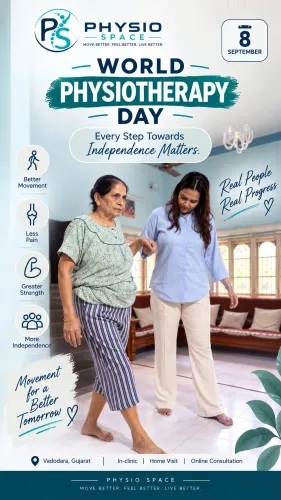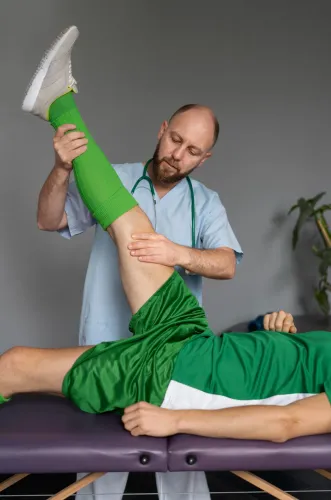
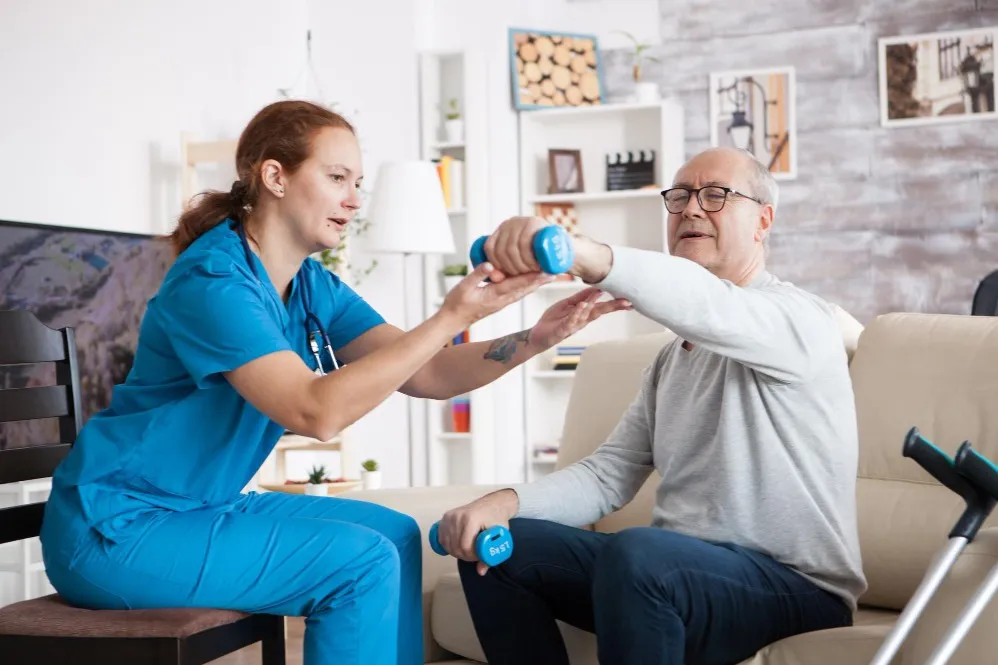
Growing older often brings physical changes that can affect strength, balance, flexibility, and mobility. While these changes are a natural part of ageing, they do not have to limit independence or reduce quality of life. Geriatric physiotherapy is designed to help older adults maintain mobility, manage age-related conditions, and continue performing everyday activities with greater confidence.
Many senior citizens in Vadodara, Gujarat, experience joint pain, muscle weakness, reduced balance, or slower movement as they age. These challenges can make simple tasks such as walking, climbing stairs, getting out of a chair, or carrying groceries more difficult. A personalised physiotherapy programme can help improve physical function while reducing the risk of falls and injuries.
What Is Geriatric Physiotherapy?
Geriatric physiotherapy is a specialised area of rehabilitation that focuses on the healthcare needs of older adults. It aims to improve movement, strength, flexibility, endurance, and balance while considering age-related health conditions.
Treatment plans are always tailored to an individual's medical history, physical abilities, and lifestyle. The objective is not to encourage intense physical activity but to help older adults remain as active and independent as possible.
Common conditions that benefit from geriatric physiotherapy include:
- Osteoarthritis
- Osteoporosis
- Chronic back and neck pain
- Joint stiffness
- Balance disorders
- Parkinson's disease
- Recovery after fractures
- Hip and knee replacement rehabilitation
- General muscle weakness
- Reduced mobility
Each condition requires a different rehabilitation approach, making professional assessment an important first step.
Why Mobility Matters as We Age
Maintaining mobility is essential for overall health. When movement becomes limited, everyday activities become more challenging, and physical inactivity can lead to additional health concerns.
Good mobility supports:
- Better balance
- Stronger muscles
- Healthier joints
- Improved circulation
- Greater confidence while walking
- Easier performance of daily tasks
Remaining physically active also contributes to better emotional well-being and social participation.
Common Challenges Faced by Older Adults
Many seniors gradually reduce their physical activity because of pain or fear of falling. While this may seem like a safe choice, prolonged inactivity can weaken muscles further and reduce flexibility.
Some common concerns include:
- Difficulty walking long distances
- Trouble climbing stairs
- Poor balance
- Joint pain
- Muscle stiffness
- Slower recovery after illness or surgery
- Reduced confidence while moving
Physiotherapy addresses these challenges through safe, progressive exercises that match each person's physical ability.
How Geriatric Physiotherapy Helps
A physiotherapist develops an individualised treatment plan after assessing movement, strength, balance, posture, and overall functional ability.
Treatment may include:
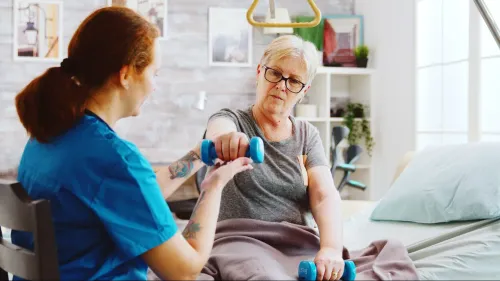
- Strengthening exercises
- Balance training
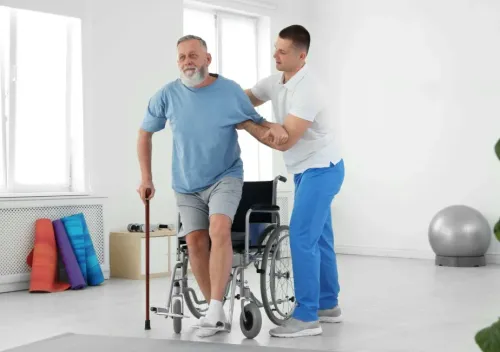
- Walking practice
- Joint mobility exercises
- Flexibility training
- Functional movement exercises
- Postural correction
- Endurance-building activities
The intensity of exercises is adjusted gradually to ensure comfort and safety throughout rehabilitation.
Preventing Falls Through Physiotherapy
Falls are one of the most common causes of injury among older adults. Fortunately, many fall risks can be reduced through targeted physiotherapy.
Rehabilitation focuses on improving:
- Leg strength
- Core stability
- Walking pattern
- Balance reactions
- Coordination
- Confidence during movement
Physiotherapists may also recommend practical changes at home, such as improving lighting, removing loose rugs, and ensuring frequently used items are easy to reach.
Supporting Joint Health
Joint stiffness and arthritis become more common with age, but avoiding movement is rarely the best solution. Gentle exercises prescribed by a physiotherapist help maintain joint flexibility while strengthening the muscles that support them.
Regular movement can help:
- Improve joint function
- Reduce stiffness
- Support better posture
- Make everyday activities more comfortable
- Maintain independence for longer
The key is choosing exercises that are appropriate for an individual's condition and fitness level.
Healthy Habits That Complement Physiotherapy
Recovery and healthy aging are supported by consistent daily habits.
Older adults can benefit from:
- Staying physically active within comfortable limits
- Performing prescribed exercises regularly
- Eating a balanced diet to support bone and muscle health
- Drinking enough water
- Wearing supportive footwear
- Attending regular health check-ups
Even moderate daily activity can contribute to improved mobility over time.
When Should an Older Adult Consider Physiotherapy?
Physiotherapy should not be delayed until mobility becomes severely limited.
Professional assessment is recommended if an older adult experiences:
- Frequent falls or near falls
- Difficulty walking
- Persistent joint pain
- Muscle weakness
- Difficulty standing from a chair
- Reduced confidence while moving
- Recovery after surgery or fracture
- Declining balance
Early intervention often helps maintain independence and prevents minor mobility issues from becoming more significant.
For senior citizens seeking geriatric physiotherapy in Vadodara, Dr Pratiksha Physio provides personalised rehabilitation programmes designed to improve mobility, strength, balance, and overall functional independence. Treatment plans are based on thorough clinical assessments and individual health goals, allowing older adults to remain active while managing age-related physical challenges. More information about available rehabilitation services can also be found through Physio Space.
Ageing does not mean giving up an active lifestyle. With the right physiotherapy support, consistent exercise, and healthy daily habits, older adults can continue to move with confidence, perform everyday activities more comfortably, and enjoy greater independence for years to come.
Keywords