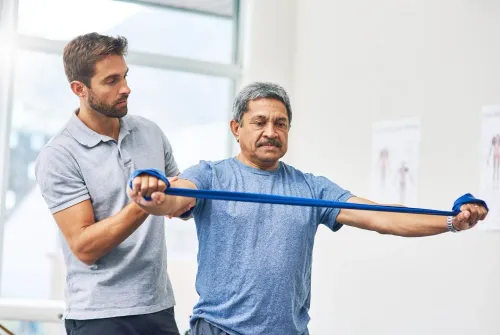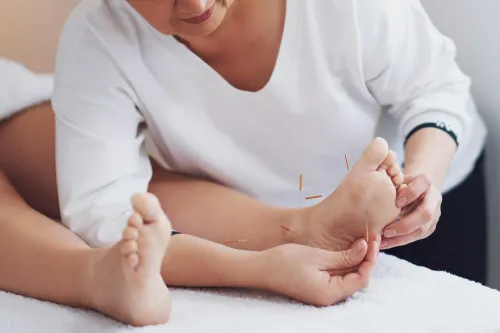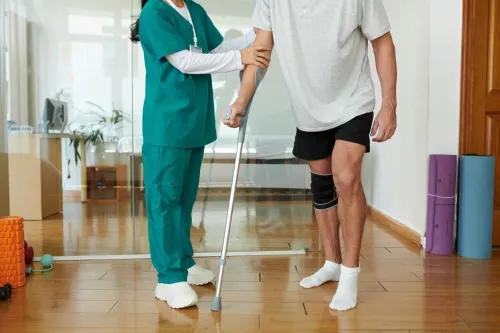
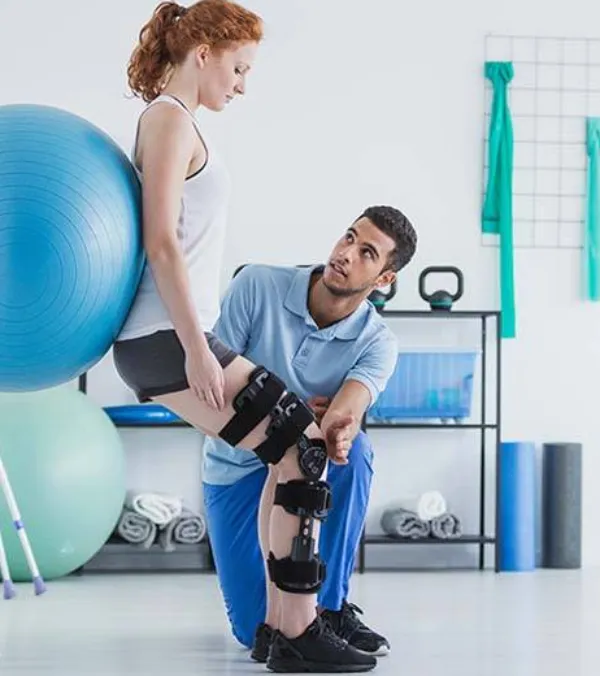
Recovering from surgery is about more than allowing an incision to heal. Whether you've had a knee replacement, ligament reconstruction, spinal surgery, fracture fixation, or shoulder repair, your body needs time, movement, and guided rehabilitation to regain strength and function. This is where post-surgical rehabilitation plays a crucial role. A structured physiotherapy programme helps improve mobility, restore confidence, and support a safer return to everyday activities.
Many patients in Vadodara, Gujarat, focus primarily on the surgery itself, but rehabilitation is equally important. Following a personalised recovery plan can make a significant difference in how well and how quickly you regain independence.
What Is Post-Surgical Rehabilitation?
Post-surgical rehabilitation is a physiotherapy programme designed to help patients recover after an operation. It focuses on improving movement, reducing stiffness, rebuilding strength, and restoring the body's ability to perform daily tasks.
The rehabilitation process varies depending on the type of surgery, overall health, and personal recovery goals. Some individuals may begin gentle movement within a day or two of surgery, while others may require a more gradual progression under medical guidance.
Common surgeries that benefit from physiotherapy include:
- Knee replacement surgery
- Hip replacement surgery
- ACL reconstruction
- Rotator cuff repair
- Shoulder replacement
- Spine surgery
- Fracture fixation procedures
- Tendon repair
- Ankle surgery
- Wrist and hand surgery
Each recovery plan is customized to suit the patient's condition and the surgeon's recommendations.
Why Rehabilitation Is Essential After Surgery
Surgery addresses the underlying medical problem, but it does not automatically restore normal movement or muscle function. After an operation, it is common to experience stiffness, weakness, swelling, and reduced flexibility.
Post-surgical rehabilitation helps by:
- Improving joint mobility
- Restoring muscle strength
- Managing swelling
- Enhancing flexibility
- Improving balance and coordination
- Encouraging safe movement
- Supporting a gradual return to work, exercise, and daily life
Without appropriate rehabilitation, recovery may take longer, and long-term movement limitations can develop.
The Stages of Recovery
Every recovery journey is unique, but most rehabilitation programmes progress through several important phases.
Early Recovery
During the first stage, the priority is protecting the surgical site while encouraging gentle movement. Physiotherapists guide patients through safe exercises that help improve circulation and reduce stiffness without placing unnecessary stress on healing tissues.
Restoring Mobility
As healing progresses, treatment focuses on increasing joint movement and reducing muscle tightness. Controlled exercises help improve flexibility while gradually restoring normal movement patterns.
Strength and Stability
Once mobility improves, strengthening exercises become an important part of rehabilitation. Weak muscles can affect balance, posture, and joint stability, making it harder to resume everyday activities.
Functional Recovery
The final stage prepares patients for real-life movements such as walking longer distances, climbing stairs, lifting objects, driving, or returning to recreational activities. Exercises become more task-specific to match individual goals.
How Long Does Rehabilitation Take?
There is no universal recovery timeline because healing depends on several factors, including:
- Type of surgery performed
- Age and general health
- Pre-surgery fitness level
- Existing medical conditions
- Commitment to rehabilitation exercises
- Individual healing response
Some patients recover within a few weeks, while others may require several months of supervised physiotherapy. Progress is measured by improvements in function rather than by the number of weeks since surgery.
Supporting Recovery at Home
Physiotherapy sessions are only one part of the rehabilitation process. Daily habits also influence recovery.
Patients can support healing by:
- Performing prescribed home exercises regularly
- Following weight-bearing instructions carefully
- Maintaining a balanced diet to support tissue repair
- Staying hydrated
- Avoiding sudden or strenuous movements unless advised
- Attending scheduled follow-up appointments
- Reporting unusual pain or swelling promptly
Consistency with these recommendations often contributes to smoother recovery.
When Should You Seek Additional Guidance?
While some discomfort is expected after surgery, certain symptoms should not be ignored.
Consult your healthcare provider or physiotherapist if you experience:
- Increasing pain instead of gradual improvement
- Persistent swelling
- Difficulty moving the operated area
- Sudden loss of strength
- Problems with walking or balance
- Difficulty performing prescribed exercises
Timely assessment helps identify any issues early and allows the rehabilitation plan to be adjusted if necessary.
For patients seeking post-surgical rehabilitation in Vadodara, Dr Pratiksha Physio offers personalised physiotherapy programmes based on surgical procedures, recovery milestones, and individual functional goals. The provider works closely with patients to ensure rehabilitation progresses safely and effectively, with additional information about services available through Physio Space.
Recovering from surgery is a gradual process that requires patience, commitment, and professional guidance. A structured rehabilitation programme not only helps reduce discomfort but also restores movement, improves confidence, and supports a safe return to everyday life. Investing time in proper post-surgical rehabilitation can have lasting benefits for mobility, independence, and overall quality of life.
Keywords